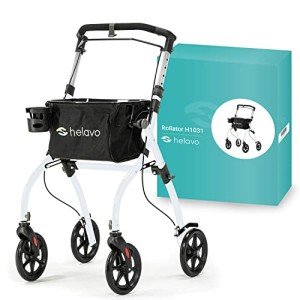
Rollator For Seniors
Add a review FollowOverview
-
Founded Date March 8, 2018
-
Posted Jobs 0
-
Viewed 12
Company Description
Ergonomic Walker Techniques To Simplify Your Daily Lifethe One Ergonomic Walker Trick That Every Person Should Be Able To
The Benefits of Non-Slip Walkers: Enhancing Mobility and Safety for All
As we browse through the diverse landscape of mobility help, one vital product sticks out: the non-slip walker. This vital tool not just aids those with limited mobility but also promotes self-reliance and security. In this post, we will look into the benefits of non-slip walkers, the numerous types readily available, and what features to look for when selecting the ideal walker. Along the way, we will answer often asked questions and supply insights that improve understanding of this important mobility device.
Why Choose a Non-Slip Walker?
Non-slip walkers are particularly developed with safety in mind. Slips and falls can cause severe injuries, especially for elderly individuals or those recovering from surgery. Including anti-slip features into a walker can significantly lower the threat of accidents, making it an important option for anybody in requirement of assistance. Here are a few reasons that a non-slip walker is a deserving investment:
- Enhanced Stability: Non-slip grips and rubberized wheels supply superior traction on different surface areas.
- Improved Safety: The design reduces the possibility of slips, offering users confidence as they move.
- Increased Independence: Those who may have formerly counted on caretakers can gain back some degree of autonomy.
- Versatile Design: Non-slip walkers can be tailored to fit a series of individual requirements and choices.
Types of Non-Slip Walkers
Non-slip walkers been available in several styles, each tailored to accommodate various mobility requirements. Below is a contrast table highlighting the most typical kinds of non-slip walkers available:
| Type of Walker | Features | Ideal For | Price Range |
|---|---|---|---|
| Requirement Walker | Four legs, Lightweight Rollator Walker, rubber pointers | General use, moderate assistance | ₤ 50 – ₤ 100 |
| Two-Wheeled Walker | Two front wheels, two rear legs with rubber tips | People who need assistance but can walk | ₤ 70 – ₤ 150 |
| Rollator | Four wheels, braking system, seat choice | Active people; provides a rest alternative | ₤ 100 – ₤ 250 |
| Knee Walker | Designed for individuals with knee injuries | Short-term recovery from leg or foot injuries | ₤ 80 – ₤ 200 |
| Pediatric Walker | Smaller size, colorful designs | Kids with mobility issues | ₤ 60 – ₤ 120 |
Elements to Consider When Choosing a Non-Slip Walker
Selecting the right non-slip walker can be an overwhelming job. Here are some elements to bear in mind when making a choice:
- User’s Weight and Height: Ensure that the walker supports the user’s weight and matches their height.
- Type of Surface: Consider where the walker will be mainly used (inside your home vs. outdoors) to pick a suitable tire setup.
- Mobility and Weight: If the walker needs to be transported, consider weight and foldability for convenience.
- Adjustability: Look for a walker that can be adapted to the user’s particular height needs, guaranteeing convenience and safety.
- Extra Features: Some walkers include features such as built-in seats, storage baskets, or more advanced braking systems.
Extra Features of Non-Slip Walkers
While analyzing non-slip walkers, a number of additional features can improve user experience:
- ergonomic Walker Grip Handles: Soft and comfortable grips can reduce strain on the hands.
- Reflective Materials: Adding increased exposure can help those who may be using the walker in low-light conditions.
- Adjustable Accessories: Consider alternatives like cup holders, trays, or perhaps oxygen tank holders for included convenience.
- Toughness: Look for walkers constructed from high-quality products to guarantee lasting use.
Often Asked Questions (FAQs)
1. What is the main distinction between a basic Ergonomic Walker and a Secure Rollator Walker?
- A basic walker has four legs and needs the user to lift it with each step, whereas a rollator has wheels, permitting the user to push it along more quickly.
2. Are non-slip walkers ideal for outdoor usage?
- Yes, many non-slip walkers are designed for different surfaces. It’s essential to select a design with ideal wheels for outdoor surface.
3. Can a non-slip walker be utilized by individuals who have had hip or knee surgical treatment?
- Definitely. Non-slip walkers supply stability and can be necessary for those recuperating from such surgeries.
4. How do I change the height of a walker?
- A lot of walkers include adjustable legs that permit you to alter the height. Refer to the manufacturer’s guidelines for particular modification guidelines.
5. Exists a weight limit for non-slip walkers?
- Yes, each walker has a defined weight limit. It is crucial to thoroughly check this detail before acquiring to make sure safety.
6. Can I use a non-slip walker in stores or public places?

- Yes, non-slip walkers are created for usage in different environments. Just make sure the design you select is maneuverable enough for enclosed areas.
Buying a non-slip walker can provide users with improved mobility, self-confidence, and self-reliance. The range of designs and features readily available allows users to select a walker that best fits their special requirements. By considering elements such as weight capacity, adjustability, and additional features, one can guarantee that they or their loved ones are safe and comfortable.
For those seeking to regain their independence, non-slip walkers not just aid in mobility however likewise contribute to a more active lifestyle. If you or somebody you understand might benefit from a non-slip walker, take the time to explore the options offered– your journey towards increased safety and autonomy starts here!