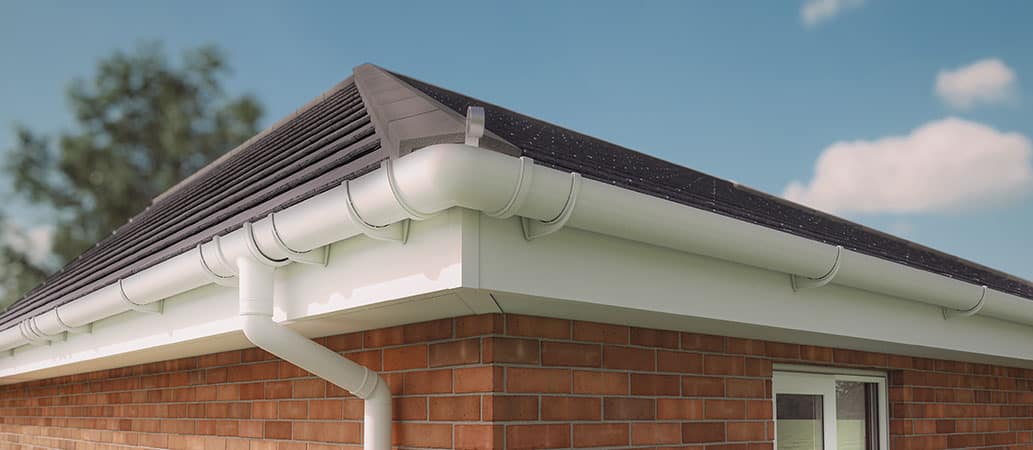
Fascia Board Repair
Add a review FollowOverview
-
Founded Date November 19, 1907
-
Posted Jobs 0
-
Viewed 81
Company Description
The 10 Most Terrifying Things About Fascia And Cladding
Understanding Fascia and Cladding: Essential Elements of Building Design
The aesthetics and functionality of a structure greatly depend on the exterior style and the materials used in building. Amongst the captivating elements that add to the visual appeal and defense of a structure are fascia and cladding. This short article will explore the meanings, functions, material choices, installation procedures, and benefits of fascia and cladding in structure construction.
What is Fascia?
Fascia refers to the band of material that runs horizontally along the edge of a roof. Its primary function is to support the lower edge of the roofing system and serve as a barrier in between the roofline and the outdoor environment, effectively sealing the roof structure to prevent wetness seepage. Furthermore, fascia boards are essential in safeguarding the underlying structures, such as the rafter beams, from weather condition damage, bugs, and decay.
What is Cladding?
Cladding, on the other hand, is the external layer or covering of a structure that acts as a protective and ornamental façade. It is applied over structural walls to supply insulation, increase sturdiness, and enhance visual appeal. Cladding can be made from various products, including wood, metal, PVC, stone, and composite products.
Table 1: Key Differences between Fascia and Cladding
| Requirements | Fascia | Cladding |
|---|---|---|
| Meaning | A horizontal board at the roofing’s edge | Exterior covering on walls |
| Function | Supports roofing system edges and prevents moisture | Insulation, security, and aesthetics |
| Products Used | Wood, PVC, aluminum | Wood, metal, vinyl, stone, brick |
| Visual Impact | Very little vs. cladding | Significant visual impact |
Significance of Fascia and Cladding
Fascia Benefits:
- Weather Protection: Fascia safeguards roofing system structures from rain, snow, and other weather condition aspects.
- Aesthetic Appeal: It supplies a seamless shift in between the roof and the wall, adding to the total appearance of the building.
- Obstructed Pests: Fascia boards avoid birds, bugs, and other pests from getting in the roof area.
Cladding Benefits:
- Thermal Insulation: Cladding products can provide extra insulation, decreasing energy costs.
- Wetness Barrier: Proper cladding functions as a barrier versus wetness, protecting the underlying structures.
- Toughness: Cladding materials like metal or stone are resistant to weathering and can last a long period of time with very little maintenance.
Kinds Of Fascia Materials
Fascia materials can vary significantly based on performance, appearance, and expense factors to consider. The most typical materials consist of:
- Wood: A conventional option that offers natural charm however needs routine maintenance to prevent decaying and contorting.
- PVC: A low-maintenance alternative that is water-resistant and offered in different colors.
- Aluminum: Resistant to deterioration and easy to set up, but might be less visually enticing than other materials.
Types of Cladding Materials
Cladding products include a broad variety of choices, each with its special attributes:
- Wood: Provides a natural and warm visual but requires treatment to resist pests and weather.
- Vinyl: Affordable and low-maintenance, readily available in panels and different colors.
- Metal (Aluminum, Steel): Provides a modern-day appearance, is long lasting, and reflects energy performance.
- Brick: Traditional and strong, it uses exceptional insulation and lowers the requirement for frequent maintenance.
- Stone: Provides a high-end aesthetic and remarkable durability but can be pricey.
Installation of Fascia and Cladding
Setting up Fascia
- Preparation: Remove old fascia (if applicable) and tidy the area.
- Step and Cut: Measure the length of the roof edge and cut the fascia product accordingly.
- Attaching: Secure the fascia board to the rafter ends utilizing nails or screws.
- Sealing: Apply caulk around joints to ensure a water tight seal.
Installing Cladding
- Preparation: Ensure the wall surface is clean and level. Add a wetness barrier if required.
- Framing: Install vertical battens or a structure for the cladding to connect to.
- Procedure and Cut: Measure the cladding panels according to wall height and width.
- Affixing: Fix the cladding panels to the framework using specified fasteners, guaranteeing correct positioning.
- Cutting and Finishing: Add trims at the edges and apply any needed sealants.
Frequently asked questions About Fascia and Cladding
What is the typical lifespan of fascia products?
The life-span of fascia differs by material: wood can last up to 20 years with proper maintenance, while PVC can last over 30 years, and aluminum has a lifespan even longer than that.
Is cladding required for all buildings?
While cladding is not obligatory, it is highly advantageous for enhancing insulation and protecting the building from weather condition components. For business structures, it is almost necessary to guarantee energy effectiveness and looks.
Can I install fascia and cladding myself?
DIY installation is possible for those with home improvement experience; however, employing experts is recommended for guaranteeing appropriate installation and adherence to structure codes.
Both fascia and cladding play essential roles in the durability and visual appeal of a structure. Understanding the products, benefits, and installation processes of each can considerably affect the performance and general appearance of a structure. By choosing the ideal type of fascia and cladding, homeowners and home builders can guarantee that their structures are not just attractive but also well-protected versus environmental elements. As the need for energy-efficient and aesthetically pleasing structures continues to grow, welcoming these important aspects of design will stay important.